


ERS satellite, March 2026
ASTHMA
Allergen Immunotherapy for the Prevention and Treatment of Asthma
Speaker
Mohamed Shamji, United Kingdom
Disease burden and united airway concept
Allergic rhinitis induced by house dust mite (HDM) affects approximately 40% of the global population and significantly impacts sleep, school performance, and work productivity.1 The close relationship between upper and lower airway disease was emphasised, reflecting the united airway concept.
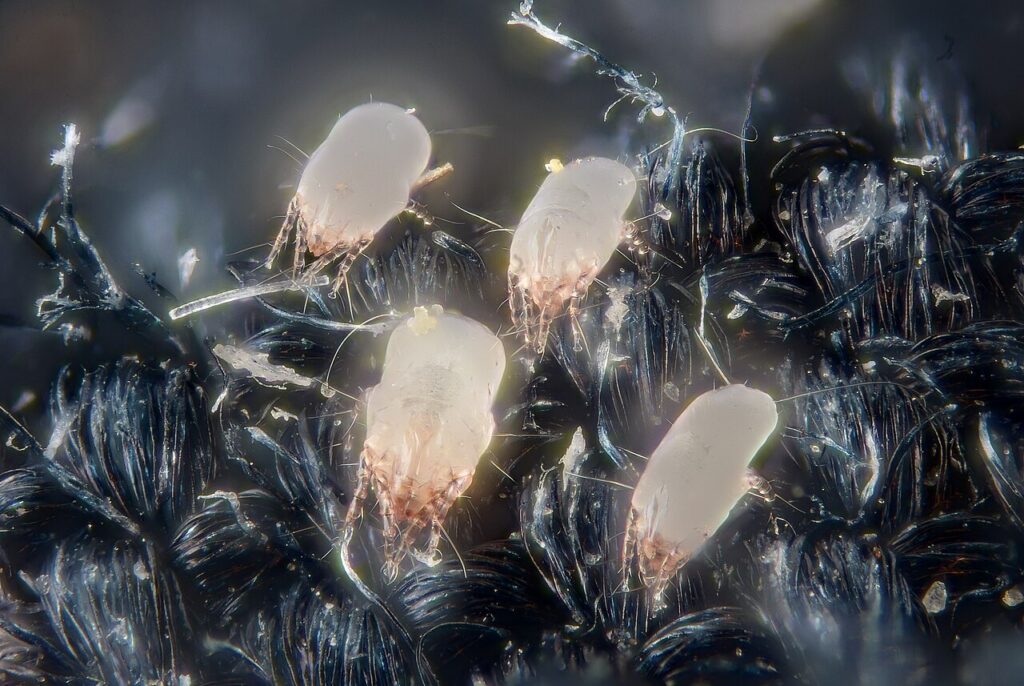
Among patients sensitised to HDM, around 50% experience lower airway symptoms. Many have moderate-to-severe disease, and only about half achieve full control with standard pharmacological therapy. A substantial proportion remain symptomatic or uncontrolled despite treatment, highlighting an unmet need in HDM-driven respiratory disease. Allergic asthma accounts for approximately 50% of asthma cases, and 50–85% of patients with asthma are sensitised to HDM.1
Photo: Gillles San Martin, Belgium via Wikimedia Commons
Evidence for allergen immunotherapy in asthma
Randomised controlled trial data demonstrate that HDM sublingual allergen immunotherapy (SLIT) reduces the risk of moderate-to-severe asthma exacerbations, particularly during inhaled corticosteroid (ICS) reduction. In a pivotal trial in adults with HDM-allergic asthma, SLIT reduced the risk of exacerbations during ICS reduction (hazard ratio 0.66 for 12 SQ-HDM), with additional improvements in symptoms and lung function.2
Asthma management was discussed in the context of the Global Initiative for Asthma (GINA) strategy, which emphasises long-term symptom control and reduction of future risk.3 According to GINA 2024, AIT may be considered as add-on therapy in adults and children with asthma and clinically significant sensitisation to aeroallergens, particularly HDM. Recommendations are conditional and apply to appropriately selected patients.
Long-term and Preventive Considerations
Long-term and prevention data were briefly addressed. While some studies suggest sustained clinical benefits and exploring possible effects on disease progression from allergic rhinitis to asthma in selected populations, meta-analyses indicate that evidence remains limited regarding prevention of first-onset allergic disease.4 Further robust long-term trials are warranted.
Overall, the presentation focused on allergen immunotherapy in the context of allergic rhinitis and asthma, and the close relationship between upper and lower airway disease.

Ingvild Bjellmo Johnsen
Medical Advisor Respiratory, Chiesi Nordic
References:
- Dhami S, Nurmatov U, Arasi S, et al. Allergen immunotherapy for allergic asthma: a systematic review and meta-analysis. Allergy. 2017;72(12):1825–48.
- Virchow JC, Backer V, Kuna P, et al. Efficacy of a house dust mite sublingual allergen immunotherapy tablet in adults with allergic asthma: a randomized clinical trial. JAMA. 2016;315(16):1715–25.
- Global Initiative for Asthma. Global strategy for asthma management and prevention. Updated 2024. Available from: https://ginasthma.org/
- Kristiansen M, Dhami S, Netuveli G, et al. Allergen immunotherapy for the prevention of allergic disease: a systematic review and meta-analysis. Pediatr Allergy Immunol. 2017;28(1):18–29.
ID 20194-05.03.2026