


Epithelial integrity in asthma and allergic disease
Unnur Steina Björnsdóttir (Iceland)
Presenting in Reykjavik, a city surrounded by landscapes shaped by volcanic activity, Unnur Steina Björnsdóttir opened with an analogy between the earth’s crust and the epithelial barrier. Just as disruptions in the earth’s surface can trigger volcanic eruptions, disruption of the epithelial barrier may initiate inflammatory processes that contribute to allergic disease.
Is modern lifestyle adding to allergic inflammation?
Björnsdóttir then addressed a paradox familiar to many clinicians. Despite cleaner homes, improved hygiene and reduced exposure to many infectious diseases, the prevalence of asthma and allergic diseases has continued to increase over recent decades. This observation formed the basis for a discussion of the epithelial barrier hypothesis, which proposes that environmental exposures associated with modern lifestyles may contribute to allergic inflammation through disruption of epithelial barrier integrity.
The barriers of the epithelium are not ”just” physical
A central theme of the presentation was the role of the epithelium as the body’s first line of defence. In healthy airways, tight junction proteins act as gatekeepers between epithelial cells, limiting the penetration of allergens, microbes and other environmental exposures. In asthma, however, these barrier structures become disrupted, resulting in increased permeability and activation of inflammatory pathways. Rather than serving solely as a physical barrier, the epithelium was described as a dynamic and metabolically active regulator of immune responses.
Epithelial injury triggers inflammatory cascades
Following epithelial injury, epithelial cells release so-called alarmins, including thymic stromal lymphopoietin (TSLP), IL-33 and IL-25. These mediators initiate innate immune responses and activate innate lymphoid cells, which produce key type 2 cytokines such as IL-4, IL-5 and IL-13. This promotes recruitment of eosinophils and other inflammatory cells, ultimately contributing to the development and amplification of type 2 inflammation.
Substances in our environment may weaken our first line defence
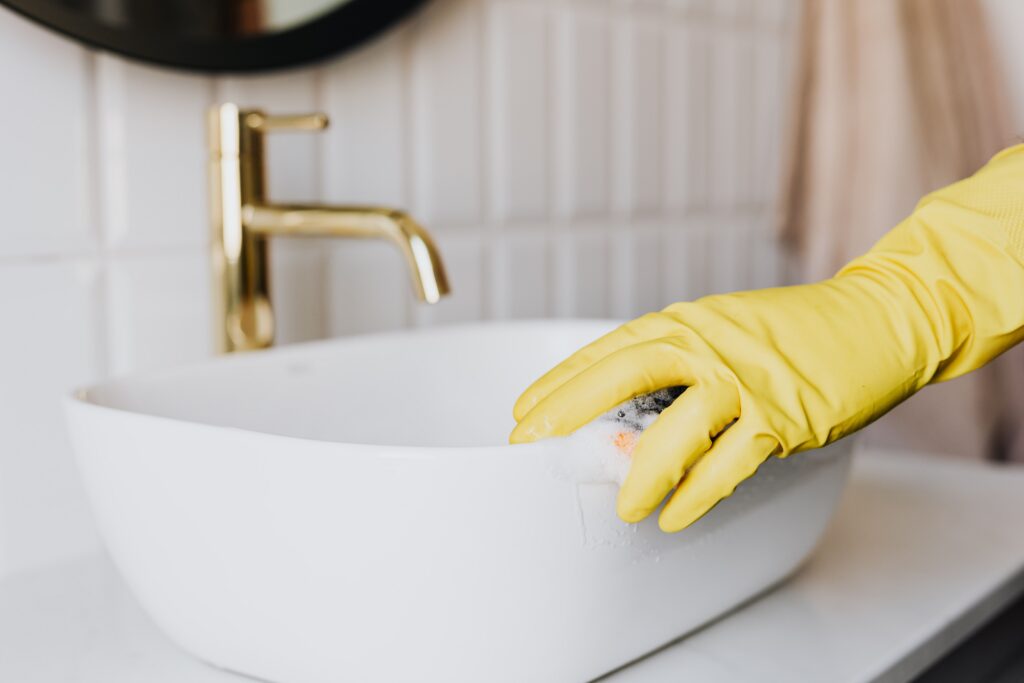
One of the most thought-provoking aspects of the presentation was the discussion of detergents, surfactants and emulsifiers as potential contributors to epithelial injury. Björnsdóttir suggested that increasing exposure to such substances may represent one consequence of modern industrialised lifestyles and could potentially contribute to the rising prevalence of asthma and allergic disease. Experimental studies were presented showing that highly diluted detergents can disrupt tight junction integrity in human bronchial epithelial cells and increase expression of the alarmins IL-33 and TSLP. Animal studies further demonstrated increased epithelial permeability, eosinophilic inflammation and enhanced expression of IL-33, TSLP and IL-25 following exposure to detergent surfactants.
Understanding environmental exposures may provide important clues
The presentation concluded by highlighting airway epithelial integrity as a potential emerging treatable trait in asthma. While the role of detergents and other environmental exposures remains an active area of investigation, the data presented underscored the importance of the epithelial barrier as a central regulator of airway homeostasis and inflammation, and as a potential upstream target in asthma and allergic disease.


Ingvild Bjellmo Johnsen
Medical Advisor Respiratory, Chiesi Nordic
References
- Akdis CA. Does the epithelial barrier hypothesis explain the increase in allergy, autoimmunity and other chronic conditions? Nat Rev Immunol. 2021;21(11):739-751.
- Heijink IH, Kuchibhotla VN, Roffel MP. Epithelial cell dysfunction, a major driver of asthma development. Allergy. 2020;75(8):1902-1917.
- Doyle AD, Masuda MY, Pyon GC, Luo H, Putikova A, LeSuer WE, et al. Detergent exposure induces epithelial barrier dysfunction and eosinophilic inflammation in the esophagus. Allergy. 2023;78(1):192–201. doi:10.1111/all.15457.
- Wang M, Tan G, Eljaszewicz A, Meng Y, Wawrzyniak P, Acharya S, et al. Laundry detergents and detergent residue after rinsing directly disrupt tight junction barrier integrity in human bronchial epithelial cells. J Allergy Clin Immunol. 2019;143(5):1892–1903.
22692-12.06.2026